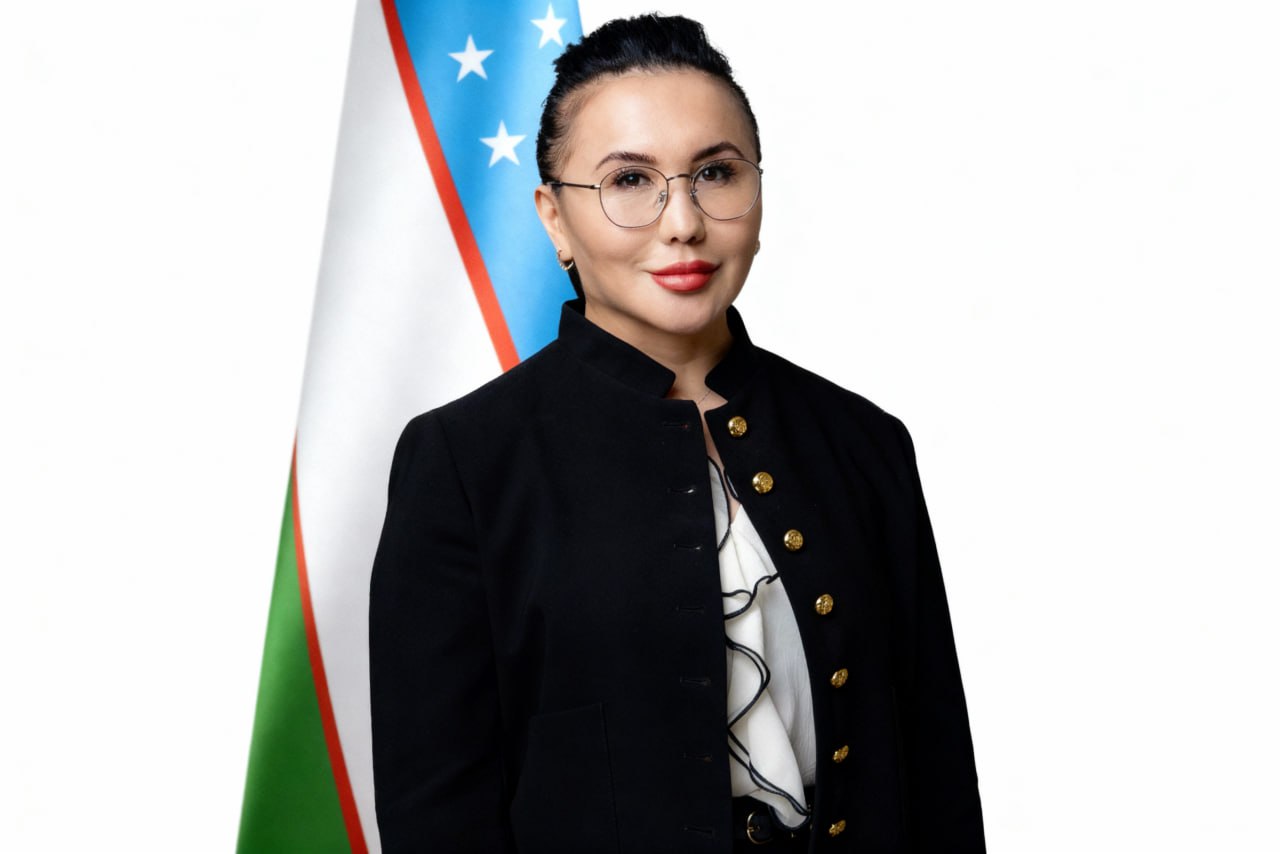




Ismailov Abduvali Abdumalikovich
Rector of the A. Avloniy National Institute of Pedagogical Excellence


Ismailov Abduvali Abdumalikovich
Born in 1986 in Tashkent. He graduated from the Tashkent State University of Economics and the Tashkent Institute of Chemical Technology. In 2017, he studied at the Academy of Public Administration under the President of the Republic of Uzbekistan. Doctor of Philosophy (PhD) in Pedagogical Sciences, Associate Professor.
Career:
2006–2008 – Engineer-programmer at the Information Technology Center, Tashkent Institute of Chemical Technology;
2008–2012 – Assistant to the Rector, Tashkent Institute of Chemical Technology;
2010–2012 – Head of the International Relations Department, Tashkent Institute of Chemical Technology;
2012–2014 – Research internship at the Warsaw University of Life Sciences, Republic of Poland;
2014–2015 – Head of the International Relations Department, Tashkent Institute of Chemical Technology (Assistant at the Department of Oil and Gas Processing Technology);
2015–2017 – Student at the Academy of Public Administration under the President of the Republic of Uzbekistan;
2017–2018 – Chief Specialist of the Department for Control of Curricula and Educational Literature, Ministry of Higher and Secondary Specialized Education of the Republic of Uzbekistan;
2018–2023 – Director of the National Center for Implementing International Studies on the Assessment of Education Quality under the State Inspectorate for Quality Control in Education under the Cabinet of Ministers of the Republic of Uzbekistan;
Since 2023 – Rector of the A. Avloniy National Institute of Pedagogical Excellence.
Ismailov Abduvali Abdumalikovich
complies with the Constitution and laws of the Republic of Uzbekistan, other normative legal acts, and the requirements of the institute’s charter;
organizes and manages the academic, scientific, and methodological activities of the Institute and the Pedagogical Mastery Centers of the Republic of Karakalpakstan and the regions (hereinafter – Regional Centers);
appoints and dismisses employees of the institute in accordance with established procedures;
defines the powers of vice-rectors and staff members;
determines the degree of personal responsibility of vice-rectors and other officials for managing structural divisions, centers, and departments of the institute;
hears reports from vice-rectors, heads of structural units, centers, departments, and heads of Regional Centers;
concludes contracts and agreements with legal entities and individuals, including foreign persons and organizations;
approves curricula, programs, and plans of scientific-methodological work of the institute and Regional Centers on the recommendation of the Academic Council;
manages the property and funds of the institute in accordance with established procedures, issues orders and powers of attorney within his authority;
makes decisions on the encouragement and disciplinary responsibility of staff;
coordinates scientific research and methodological work carried out at the institute;
ensures the introduction of state requirements, curricula, programs, and other teaching documents into the educational process;
organizes the provision of services, strengthens and develops the educational, methodological, and material-technical base of the institute;
approves the institute’s internal regulations;
critically and comprehensively analyzes the implementation of programs, measures, and concepts aimed at improving the institute’s activities;
determines the directions of the institute’s scientific and production activities, approves its annual and long-term plans in the prescribed manner;
as chief financial manager, is responsible for the receipt and targeted use of funds, ensures their maximum economy and efficiency, and establishes control over the institute’s financial resources, including timely settlements with the state budget, banks, suppliers, contractors, and other organizations;
ensures proper working conditions for staff, compliance with labor legislation, occupational safety, technical safety, industrial hygiene, fire safety regulations, and labor discipline;
defines measures for the effective use of material, financial, and labor resources;
leads efforts to improve the structure of the institute and the organization of staff work;
oversees construction, reconstruction, and major repair works in accordance with approved plans and project estimates, and ensures the timely commissioning of constructed facilities and acquired equipment;
organizes staff attestation, elections to positions for new terms, and the appointment of candidates to vacant positions through competitive selection;
ensures continuous professional development of staff and the training of personnel in relevant specializations through the system of research interns and senior research fellows;
takes measures to materially and morally encourage staff and improve their working, living, and cultural conditions;
serves as Chairman of the Academic Council of the institute and directs its activities;
exercises overall leadership of the institute and Regional Centers, and organizes international cooperation;
ensures the implementation of the provisions of the collective agreement relating to management;
refrains from engaging in any corrupt practices while performing official duties, including receiving unlawful advantages or exerting improper influence on decisions in the form of money or other valuables; does not offer, promise, solicit, or accept bribes, and does not abuse his authority;
ensures timely and high-quality execution of the orders, resolutions, and decisions of the Cabinet of Ministers and the Ministry regarding the implementation of tasks defined by the Law of the Republic of Uzbekistan “On Education,” and by Presidential decrees and resolutions, and takes measures to strengthen staff accountability in this regard.
sh va bu borada xodimlar masʼuliyatini oshirish choralarini ko‘radi.
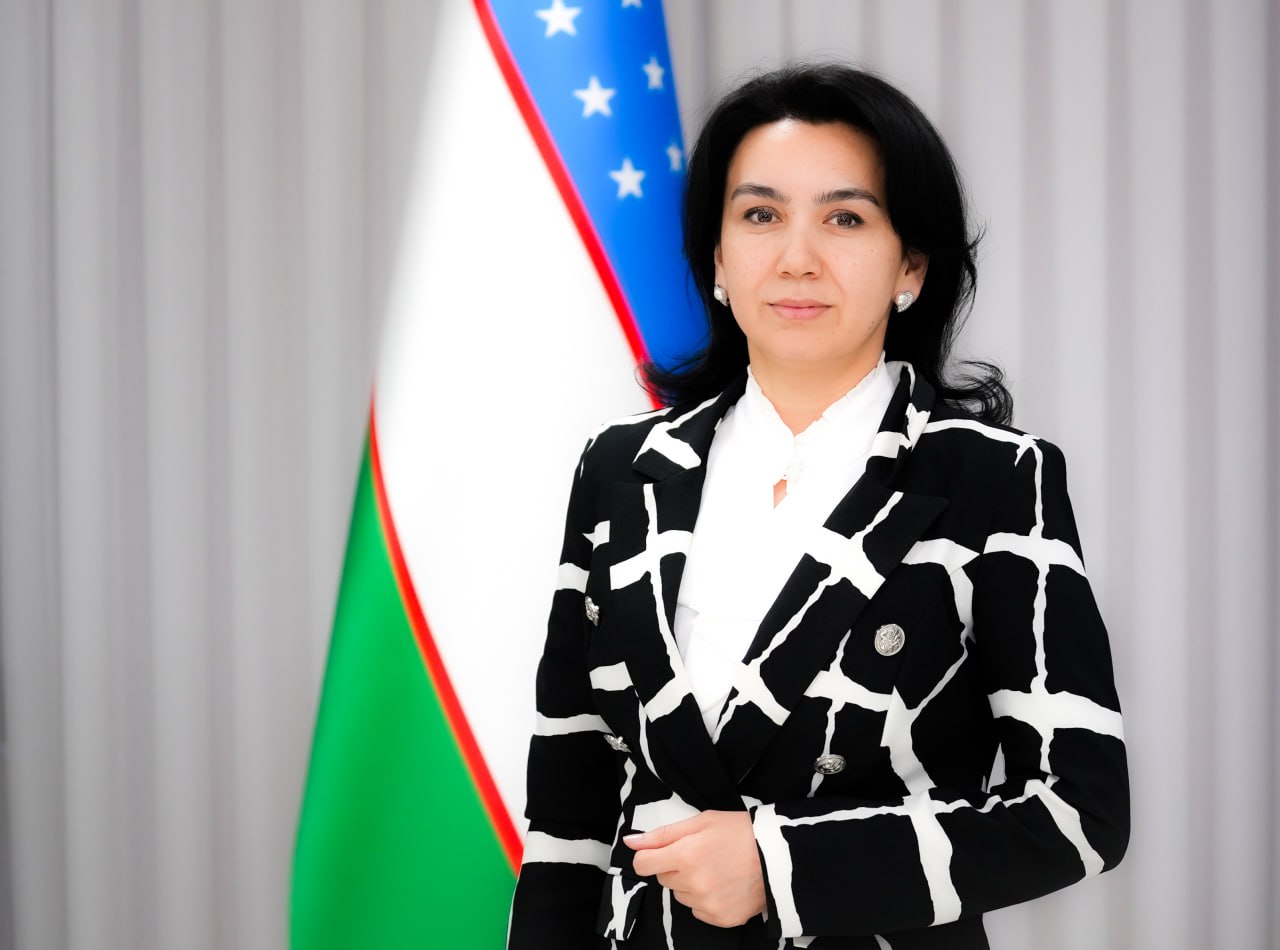
Kazakova Sakhiva Abdurayimovna
First Vice-Rector for Academic Affairs
Kazakova Sakhiva Abdurayimovna
In accordance with the relevant order of the Minister of Preschool and School Education, Kazakova Sakhiva Abdurayimovna was appointed as the First Vice-Rector for Academic Affairs of the National Institute of Pedagogical Excellence named after A. Avloni.
Sakhiva Kazakova graduated from Navoi State Pedagogical Institute and Tashkent State Pedagogical University named after Nizami.
She began her professional career in education in 2009 at the Navoi Pedagogical College.
She has worked in various positions at the Republican Education Center, the Asian Development Bank, and the Agency for the Development of Presidential, Creative, and Specialized Schools.
In 2023, she served as Deputy Head of Department at the Ministry of Preschool and School Education.
Until her current appointment, she worked as Head of the Department for Specialized Schools and Boarding Schools.
The First Vice-Rector for Academic Affairs:
Directs the educational and methodological activities of the Institute and Regional Centers;
organizes the processes of professional development, retraining, and assessment of the knowledge level and professional skills of managerial personnel;
oversees the training of school principals and candidates for principal positions through special programs, evaluates their managerial knowledge and skills, and organizes the issuance of managerial certificates based on evaluation results;
monitors the quality of professional development, retraining, and continuing education processes, conducts analysis of the educational process, and develops proposals for its improvement;
ensures the effectiveness of the system of continuous professional development for managers, teachers, and specialists, regularly improving their knowledge and skills, and introducing traditional, alternative, dual, and independent forms of training and retraining into practice;
coordinates the educational and methodological work of the Institute’s departments;
organizes the development of annual and long-term plans in accordance with established directions and submits them for approval;
ensures the organization of educational activities and the training of qualified personnel in accordance with state educational standards;
introduces advanced teaching methods, including distance learning, innovative pedagogical, and information-communication technologies, and ensures their effective use;
participates in the preparation and updating of curricula and programs;
analyzes lessons, discusses results, and provides methodological assistance to teachers;
provides methodological support in equipping departments and classrooms in line with modern requirements;
promotes the use of innovative and interactive teaching methods;
approves class schedules and monitors their implementation, as well as the full execution of curricula and programs;
conducts methodological work with leading educators, studies, summarizes, and disseminates their experience;
monitors the teaching workload of the Institute’s academic staff;
oversees reports and information on the educational process, ensuring compliance with execution discipline;
participates in the development of programs and teaching aids for professional development, studies and introduces advanced pedagogical and ICT practices, and coordinates experimental work;
submits proposals to the Rector regarding measures to address identified shortcomings;
cooperates with foreign and non-governmental organizations to implement best practices in the educational process;
supervises lecturers’ activities;
takes part in the selection and placement of personnel, recruitment of highly qualified specialists, their professional development, and the formation of a personnel reserve;
participates in meetings, conferences, and seminars related to the Institute’s activities;
faithfully fulfills official duties, observes established rules of professional ethics, information handling procedures, and other regulations related to public service;
does not disseminate information that could harm the reputation of the Institute, and complies with legislation on handling state secrets and confidential information;
prepares proposals and organizes work within the scope of responsibility;
supervises the work of relevant departments within his/her competence;
receives citizens, reviews appeals, and takes measures to resolve relevant issues;
signs documents within the scope of authority;
complies with internal labor regulations, sanitary-hygienic requirements, terms of collective agreements, occupational health and safety, and fire protection rules;
ensures timely and proper execution of assignments given by the Rector;
reports to the Rector on work performed;
refrains from engaging in corrupt practices, including offering or accepting bribes, extortion, or exerting unlawful influence on decisions or actions for personal or third-party benefit;
temporarily performs the duties of the Rector during his leave, business trips, or illness.

Sherzod Umurzoqovich Rajabov
Vice-Rector for Pedagogical Innovations
Sherzod Umurzoqovich Rajabov
Sherzod Rajabov — holds a Bachelor’s and Master’s degree from the Tashkent Institute of Finance. Doctor of Economic Sciences (DSc), Professor. He has worked as a lecturer at the Tashkent Institute of Finance, Chief Specialist and Head of the Department for Quality Control of Education, as well as Rector of the Tashkent Institute of Management and Economics. Prior to his appointment, he served as Advisor to the Rector of the Tashkent Institute of Management and Economics.
Vice-Rector for Pedagogical Innovations:
Supervises the scientific activities of the Institute and its Regional Centers;
fulfills the tasks and professional duties assigned to the Institute, ensuring compliance with executive discipline;
develops the thematic plan of scientific research, oversees the organization of scientific-theoretical and practical conferences dedicated to issues of professional development, research, and solutions, and supervises the publication of scientific-methodological collections;
ensures cooperation of the Institute with the Committee for the Coordination of the Development of Science and Technology of the Republic of Uzbekistan and the Higher Attestation Commission;
reviews documents related to dissertation defenses and the awarding of academic degrees and titles;
prepares proposals for organizing scientific research in cooperation with leading foreign research centers and institutes of professional development, aimed at improving scientific activity;
organizes the preparation of annual and long-term work plans in accordance with approved directions and submits them for approval in due order;
conducts analysis and evaluation of the Institute’s annual ranking and implements measures to improve performance;
ensures timely implementation of the approved plans and resolution of major issues related to the Institute’s scientific activities;
introduces advanced forms of professional development, including distance learning, new pedagogical and information-communication technologies, and organizes their effective use;
participates in the selection and placement of personnel, involvement of highly qualified specialists, implementation of measures to enhance their professional competence, and ensures the formation of a personnel reserve;
prepares proposals for recruiting doctoral students and independent researchers, supervises the development and implementation of plans to strengthen the teaching staff;
implements measures to improve the quality of doctoral research;
supervises the fulfillment of scientific research activities by teaching staff according to their individual plans and organizes scientific-methodological events and conferences together with departments and divisions;
carries out analysis, reporting, and evaluation of the annual performance of departments, introducing modern methods for assessing scientific activities of teaching staff;
supervises the preparation of materials for the Academic Council, and organizes the preparation of reports on research activities;
coordinates the introduction of advanced pedagogical technologies and best practices in the Institute;
participates in meetings, conferences, and seminars related to the Institute’s activities;
conscientiously performs official duties, adheres to the rules of professional ethics established by state authorities, the regulations for handling official information, as well as other rules related to civil service;
refrains from disclosing information that may harm the reputation or prestige of the Institute, and complies with legislation when handling state secrets and confidential information;
receives citizens on matters within his competence, reviews applications, and takes appropriate measures to resolve existing problems;
prepares proposals and organizes work in line with his area of responsibility;
signs relevant documents within his competence;
complies with internal labor regulations, sanitary and hygiene requirements, terms of collective and employment agreements, occupational safety, health and fire safety regulations;
ensures timely and high-quality execution of tasks assigned by the Rector;
submits reports on completed work to the Rector of the Institute;
refrains from engaging in corrupt practices in the course of duty, including:
offering bribes;
promising bribes;
paying money or extortion;
directly or indirectly agreeing to accept a bribe;
receiving bribes;
benefiting from the services or advantages of any person;
accepting property or property rights;
abusing official authority.